
What is the tower of babble?
Very interesting article on the origin of “The Tower of Babel”
https://www.ebsco.com/research-starters/literature-and-writing/tower-babel-biblical-story
Passage from the bible:
https://www.biblegateway.com/passage/?search=Genesis%2011&version=NIV
While we are not speaking different languages when we enter with the ideals of philosophers, we all share different ideas but must eventually come together as one just like in the biblical story.
The Bible
Songs and their passages:
One of the first things that I did before we started rehearsals was: I through the songs and found their passages in the bible or where they originated. I did this in order to gather a better understanding of what to convey through song.
Prologue/Tower of Babble: Various philosophical sources
Prepare Ye: Matthew 3:3
Save the People: Episcopal Hymnal
Day By Day: Episcopal Hymnal
Learn Your Lessons Well: Original lyrics
- When we depict the parable of the rich man and Lazarus, the text reads “Let them listen to Moses and the prophets” Thus stating that one must listen to the lessons put before them in order to live through Christ.
Bless The Lord: Episcopal Hymnal
All for the Best: Original Lyrics by Stephan Schwartz
- There is a double meaning here that allows the disciples to think about the information put before them. “All for the best” in Judas’ eyes: The riches and glamor of the world is all for the best of people. “All for the best” in Jesus’ eyes: whatever struggle you go through on earth is worth it. It is all for the best because you will get a life of ease in heaven.
All Good Gifts: Episcopal Hymnal
Light of the World: Matthew 5:13-16
- Originates from the sermon on the mount which has very close ties to philosophy. I had a long conversation after elder study with Mr. William Wachter. He provided me with some insightful information about their connections and how this is Jesus’ philosophy. This particular passage also highlights the beatitudes and what they mean which I found helpful.
- https://www.biblegateway.com/passage/?search=Matthew%205&version=NIV
Turn Back O Man: Episcopal Hymnal
Alas for You: Matthew 23:13-17
By My Side: Original lyrics by Jay Hamburger
- I know what this song means to me. The passage of text leading up to this song is from the book of John 8:1. After the woman being stoned is freed from the sin, Jesus (in our version) walks away from her. She then wonders where he is going as this is the moment where she decides “I am fully with you.” This song was composed by original cast member Peggy Gordan and Jay Hamburger during their time as college students at Carnegie Mellon and then put in the show by Schwartz.
- https://www.biblegateway.com/passage/?search=John%208%3A1-11&version=NIV
- Stephen Schwartz and others answer questions about it here: https://stephenschwartz.com/wp-content/uploads/2017/05/Godspell-Songs.pdf
We Beseech Thee: Episcopal Hymnal
Beautiful City: Original lyrics, added in later productions.
- Depicting how even though Jesus may not be with us physically any more, we have built a beautiful city. A city of people who will carry on the lessons taught to them by him.
On The Willows: Psalm 137
Finale: Original lyrics depicting the crucifixion of Jesus Christ.
Parables, stories, and their meanings:
I thought it was important that I understood the parables and stories in my own words. Below you will find a breakdown of the stories and their meanings based on my readings of the books of Matthew and John, as well as our explorations of the parables in rehearsals.
Judge and The Widow: Being persistent in your prayer will take you very far.
Altar Gift: Forgive others just the way that you want to be forgiven.
Pharisee and the Tax Collector: Be humble. Just because you show that you are praying and living through Jesus does not mean that you are actually accepting the word into your heart.
Unforgiving Servant: If you want kindness and forgiveness to find you, then you must also dole it out to others.
Good samaritan: Be kind to those around you even if they are different.
The Sower: The seed is the word. The fates of the plants that grow from the seed depict how people accept the word. If you receive the word you will grow and live through Jesus.
Prodigal Son: Even when you make mistakes, Jesus’ love will find its way back to you. His son was lost, then he was found. Love and forgiveness prevails.
Sheep and Goats: If you treat your brothers in Christ the way that you would treat Jesus, then you understand the word.
Rich man and Lazarus: Care for the poor and do not cast judgement. Do not take your own wealth for granted and follow the word.
Wailing Wall: A remnant of the second temple. One of the holiest places for those practicing Judaism. The Woman Being Stoned: “Let he who is without sin throw the first stone.” No sin is greater than another. If you have sinned, you can not cast judgement on those who have sinned before you.
Christianity after the New testament:
Below I have attached a paper that I wrote in my Christianity After the New Testament course. In this paper I read the gospel of John and the gospel of Matthew and analyzed the depictions of Pontius Pilate in both Gospels. This helped me to dig deeper into the portrayals of Judas throughout the Bible as well as understand both gospels fully. This in turn helped me to bring this production to life.
Philosophers
Socrates and his apology:
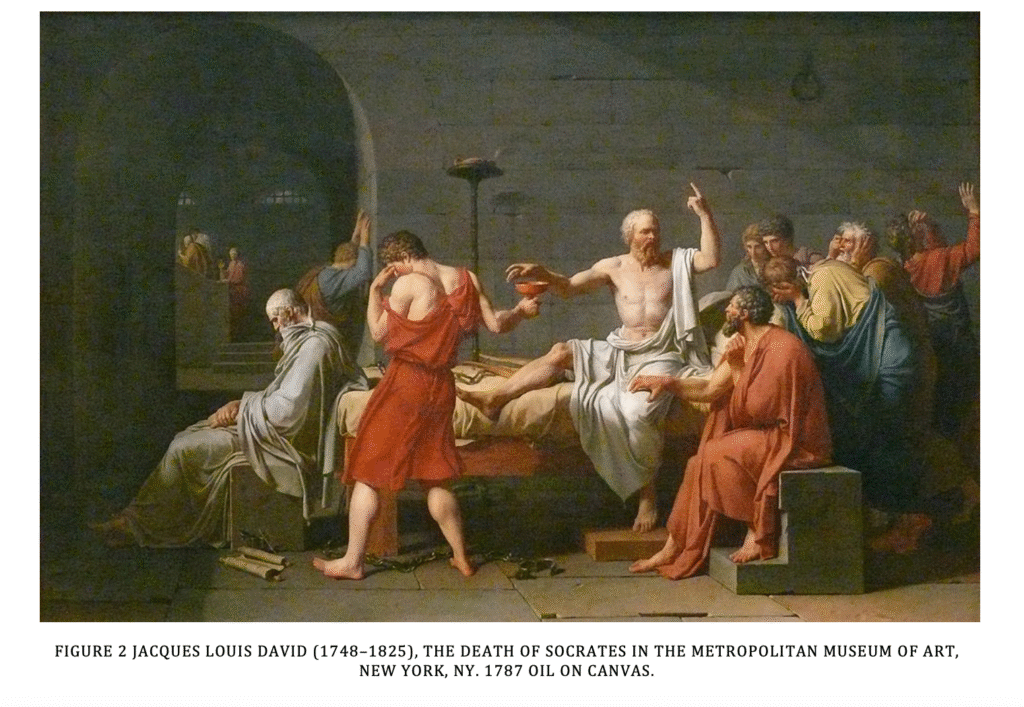
This article helped me to understand who Socrates was as a person and the ideals he held. He believed that intellect reigned true over all but he still believed in God and very much thought that there was a higher power. The text that I read from the beginning of the show is from The Apology of Socrates where Socrates went before people before his execution. He is accused of persuading the youth and for impiety.
https://www.thecollector.com/socrates-philosophy-ancient-greek-philosopher-legacy
Here is an image that I found useful for physicality. This helped me to feel the feelings. I approached the Socrates text with much intrigue.
Hegel:
Who was he?
He was a German philosopher who was influenced by the works of Friedrich Hölderlin and Friedrich von Schelling. I really focused on the portion of this article about his life. Just so that I could get an understanding of him.
https://plato.stanford.edu/entries/hegel
Marianne Williamson:
Who is she?
She is an American author and political figure.
Despite her fact that people thought that she was a positive figure at one point in time. She had some more than controversial beliefs.
Marie Antionette
Coming into this process I had not even considered that I would be doing research on Marie but I am glad that I did because I found some interesting stuff that helped me with the bit .
Marie had 15 brothers and sisters!
https://www.palaces-of-europe.com/Marie-Antoinettes-Siblings.html
Interesting information!
https://guides.loc.gov/women-in-the-french-revolution/marie-antoinette
The history behind “Let them eat cake”
https://www.habsburger.net/en/chapter/if-they-have-no-bread-let-them-eat-cake
When I first found out that I was going to be doing the parable as Marie, my first thought was that I wanted to emulate the version of her from the kids movie “Mr. Peabody and Sherman,”In this film she is just very much the stereotypical “Marie Antionette.”I thought this was helpful.
Here is a clip:
Helpful Images for physicality and such:

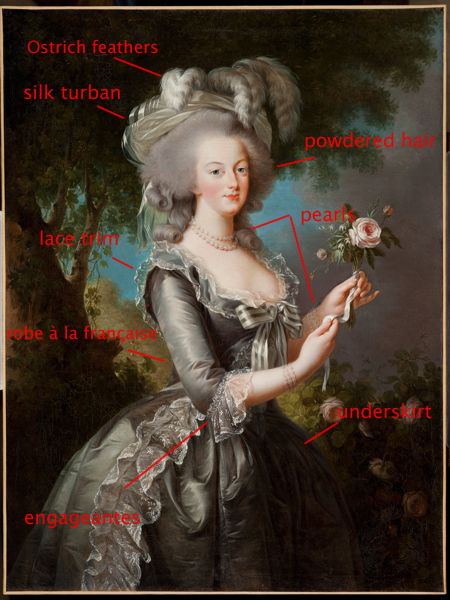
From the movie with Kirstin Dunst:

From Mr. Peabody and Sherman:

Words I did not know and their definitions:
Manifest: To reveal something plainly and clearly.
Pharisee: A member of the Jewish faith who then becomes sort of separated from the beliefs that everyone else has.
Vindicate: To prove right or justified
Exalted: Place someone in higher regard
Persecutors: Someone who treats someone else badly.
Abate: make an action smaller or less intense.
Splendor: Magnificent appearance
Libation: Pouring out liquid for a higher power.
Sages: wise person
Cudgels: heavy stick or club.